Guides
Planning an animation for a healthcare audience
Patients, clinicians and buyers need different explanations. Agree on the audience, sources and specialist review before production.
Capri Video · Updated · 2 min read
A patient wants to know what happens at a first visit. A buyer wants to understand a device. A clinical team needs a precise explanation of a mechanism. These are different films, with different sources and reviewers. Decide which one you’re making before choosing the visuals.

Identify the audience first
Patients, professionals, and purchasing teams bring different questions. A patient-facing introduction should not automatically become a professional training module. A system overview for buyers is not a device operating instruction.
Define one question and one audience. What should the viewer understand afterward? What broader conclusion should the film avoid implying? This boundary helps prevent an attractive short explanation from carrying claims beyond its intended scope.
Separate organizational and medical content
A video about scheduling and contact roles can use the facility's approved process information. Anatomy, mechanisms, or device operation require appropriate subject evidence and responsible specialists. A production style by itself does not establish that expertise.
For a hypothetical clinic introduction, the film might show an appointment inquiry, practical coordination, and the next confirmed step. It does not need a treatment scene and should not present a particular therapy as the automatic result of making contact.
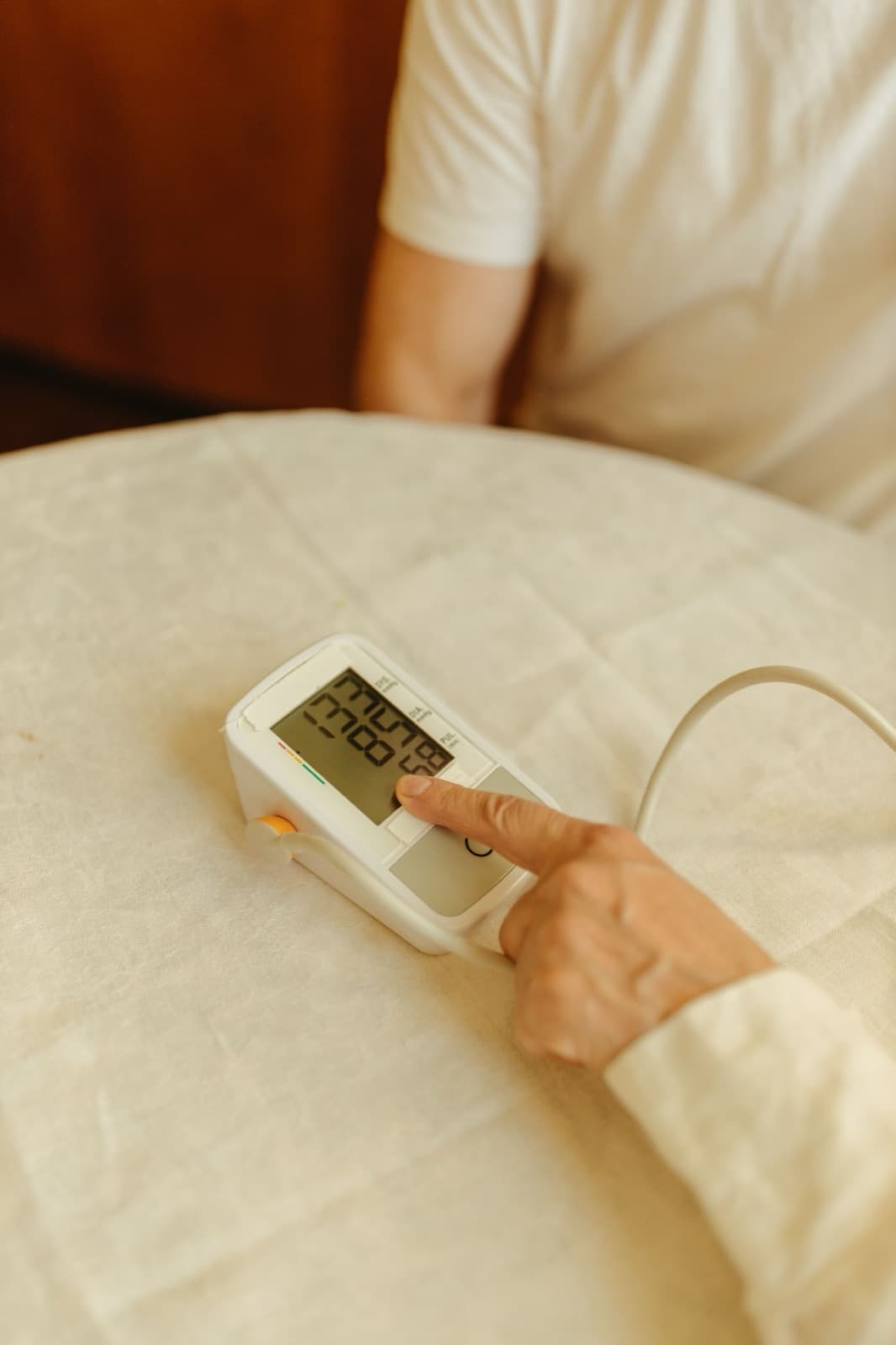
Keep sources close to the script
For a scientific concept film or 3D medical animation, connect substantive statements to approved sources. Identify which relationships are schematic and which details need precise representation. Simplification should not add certainty about mechanisms or outcomes.
Review both language and visuals. A correct sentence can still become misleading when paired with the wrong motion. Plan specialist review at the storyboard and design stages as well as for the finished sequence.

Define the project before production
Establish the audience, information purpose, source version, product reference, and responsible reviewers. Decide where the film will be used and how it will be updated. Examples and demonstration data should not expose private information.
Industry examples
- Help patients prepare for their first therapy appointment
- A clearer welcome before a dental consultation
- Help patients find the right route into a clinic
- Help families take the first step toward home care
- Show families what to expect from a senior-living tour
- Give a medical-device overview a clear purpose
- Make the science clear without adding certainty
- A thoughtful introduction to a mental-health practice